
Block paving is one of the most popular driveway and path surfaces in the UK — and one that requires careful cleaning. Here's how to keep it in great condition.
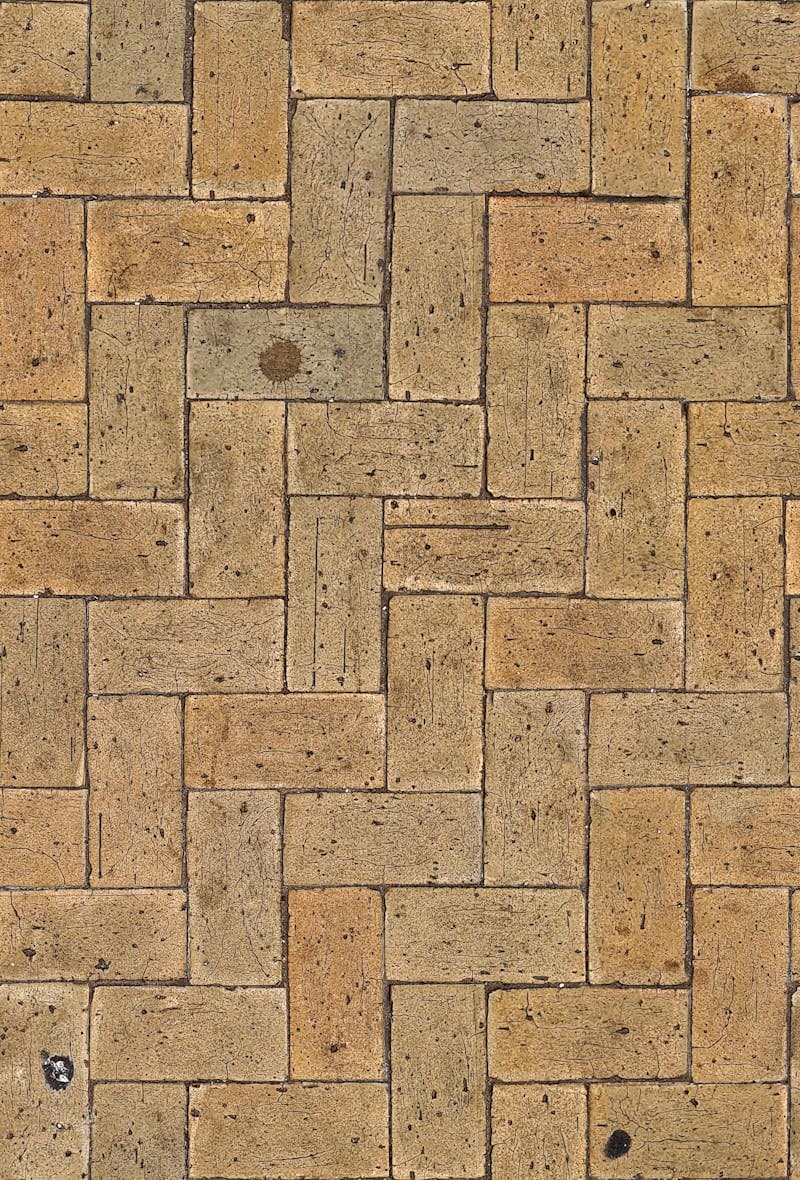
Block paving is a popular choice for driveways and paths because it looks attractive, is permeable, and individual blocks can be replaced if damaged. However, it requires more maintenance than simpler surfaces. The joints between blocks are particularly susceptible to weed growth, and the blocks themselves can develop moss and algae over time, making the surface slippery and unsightly.
Professional cleaning of block paving involves several stages. First, a biocidal pre-treatment is applied to kill moss and algae. Then the rotary surface cleaner is passed systematically across the paving, removing surface growth and dirt. Finally, the joints are cleaned and flushed out to remove weed roots and accumulated debris. Edge and border work is completed by hand.
After cleaning, sand re-jointing is often recommended. The cleaning process inevitably removes some of the kiln-dried sand that fills the joints. Replacing this sand seals the joints, prevents weed re-establishment, and stabilises the blocks. Some customers opt for a block paving sealant after cleaning, which reduces porosity and makes the surface easier to keep clean in future.
Need a Professional Clean in the East Midlands?
JPS Jetwashing provides professional pressure washing, driveway cleaning, patio cleaning, gutter clearing, and fascia cleaning across Peterborough and the surrounding area. Free quotes. Fully insured.
Get a Free Quote